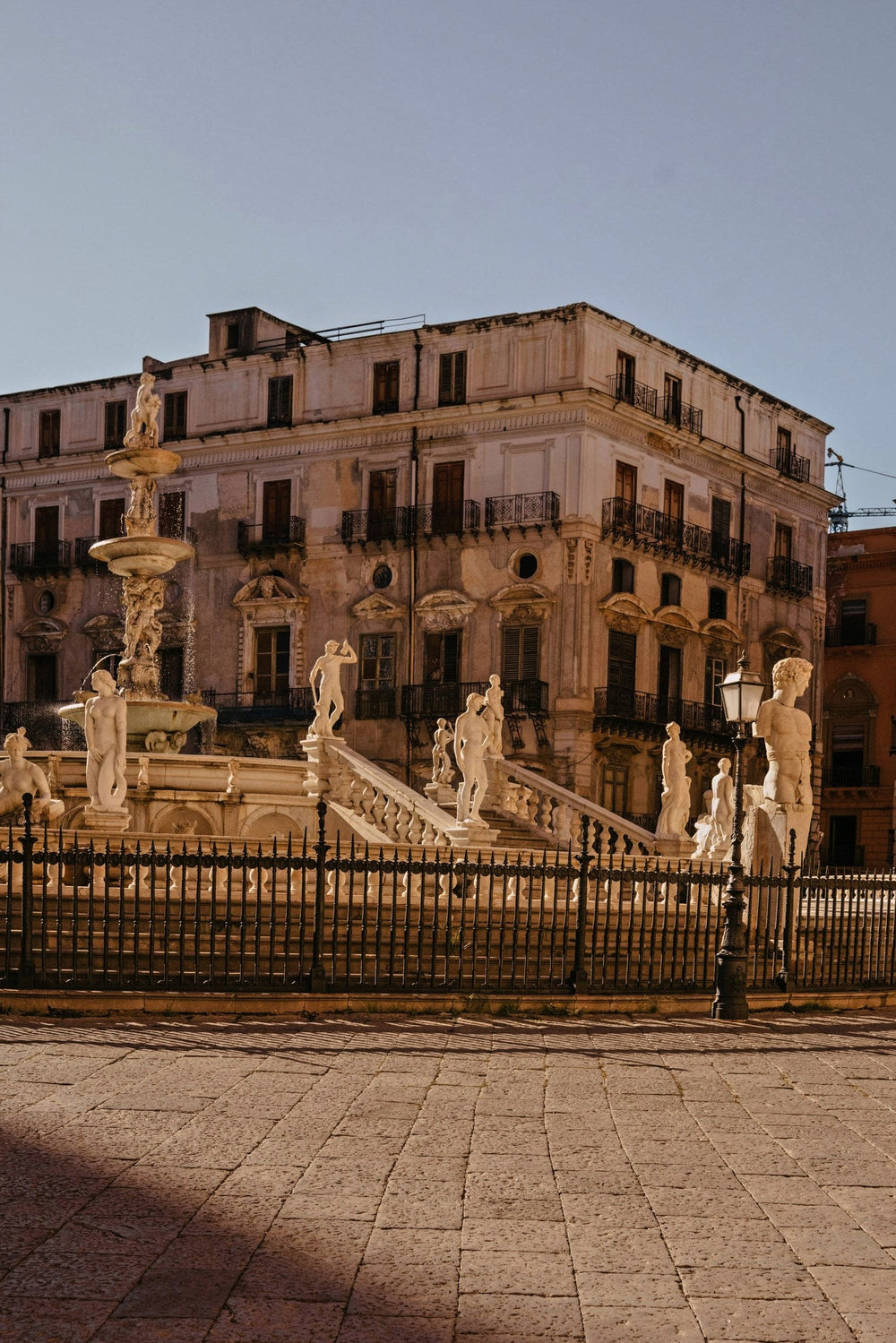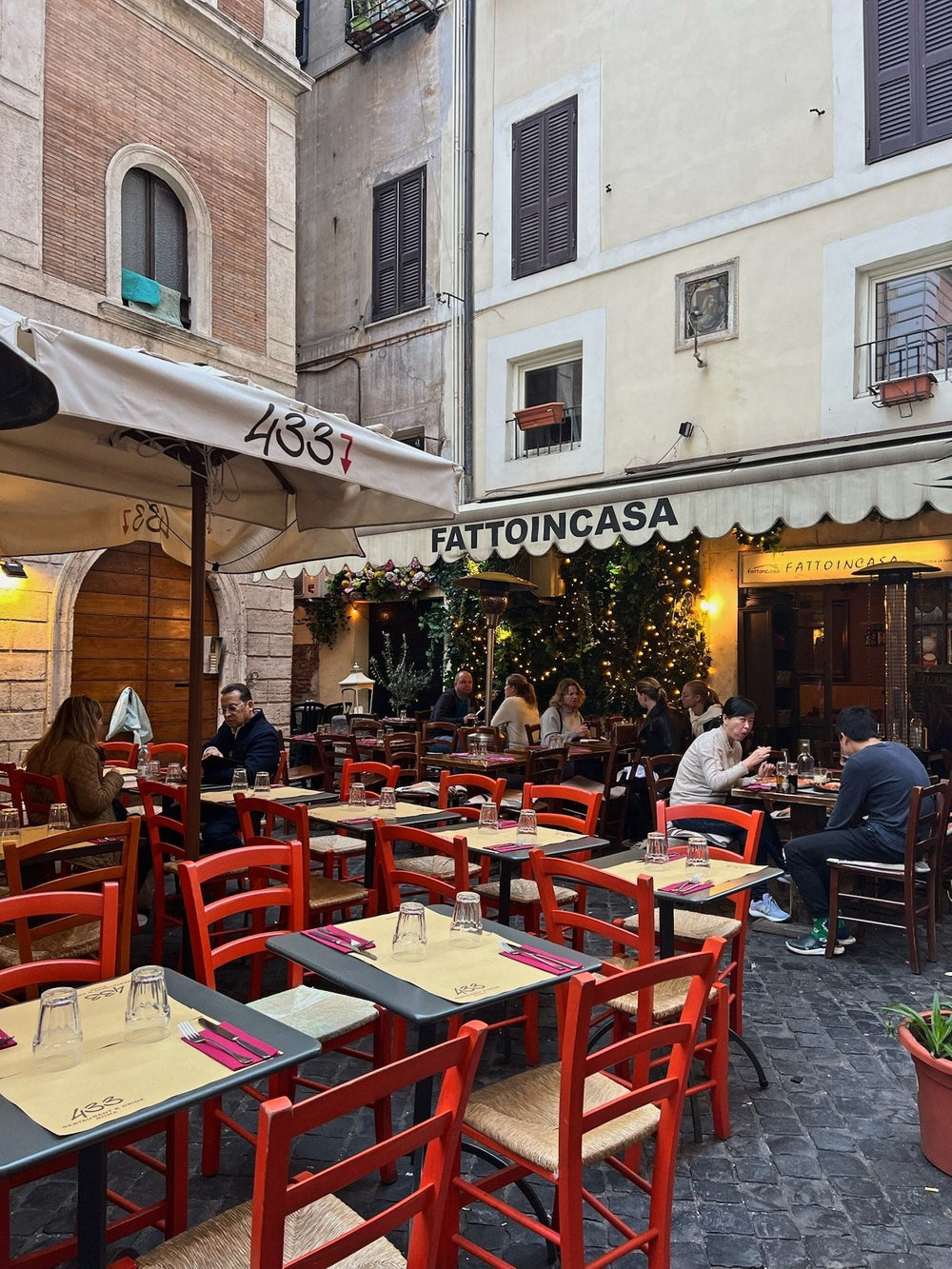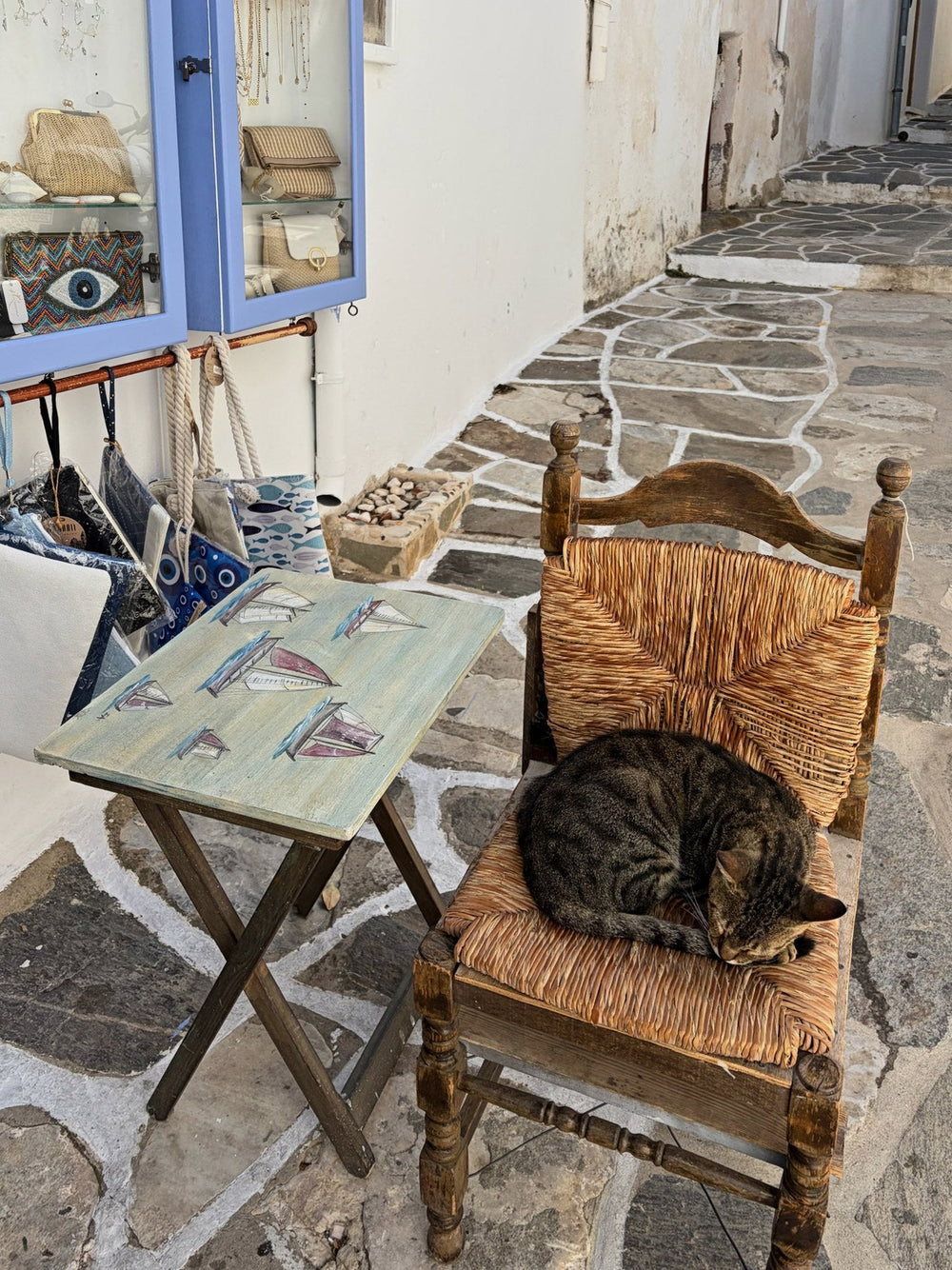


Italy is often reduced to a few familiar images: pizza, pasta, the Colosseum, and gondolas gliding through Venice. It’s easy to assume that the same food, culture, and traditions carry across the entire country–that you can order carbonara anywhere or drive from Venice to the Amalfi Coast in an afternoon. But the reality is far more complex.
Few places in the world pack so much diversity into such a small stretch of land. Traveling from Venice to Florence doesn’t just mean changing cities; it means discovering different cuisines, dialects, architecture, traditions, landscapes, and histories. In many ways, moving from one region to the next can feel less like changing cities and more like entering another country. That’s because, until surprisingly recently, they were.
Before Italy Was Italy
Although Italy is one of the world’s most recognizable countries, it didn’t exist as a unified nation until 1861. The Kingdom of Italy was established through the Risorgimento, a political and social movement that brought together a peninsula that had long been divided into independent kingdoms, republics, duchies, and papal territories.
Venice wasn’t just another Italian city, it was the capital of one of Europe’s greatest maritime republics. Florence flourished as the heart of the Renaissance under the Medici family. Naples ruled one of the largest kingdoms on the peninsula, while Sicily passed through centuries of Arab, Norman, Spanish, and Bourbon rule. These places had their own governments, currencies, laws, and identities long before they shared the same flag. They traded with one another, competed for power, formed alliances, and often went to war.


More than 160 years later, Italy is united politically but remains remarkably regional culturally. Journey from Rome to Naples and you’ll hear a different accent, discover that pizza romana and pizza napoletana have almost nothing in common, and quickly learn that each city is convinced its version is the better one. Head north to Bologna and fresh egg pasta replaces the dried pasta common in the south. Continue north into Alto Adige and road signs appear in both Italian and German, alpine chalets replace Mediterranean architecture, and the influence of neighboring Austria becomes impossible to miss.
These aren’t differences created for tourists, they’re the natural result of places that spent generations evolving on their own. That’s why traveling through Italy can feel less like moving between regions and more like crossing borders between countries, each with its own traditions, character, and way of life.
The Natural Borders That Protected Regional Identity
History tells only half the story. Geography did the rest.
Running down the center of the peninsula, the Apennine Mountains have long divided communities from one another. Before modern roads and railways, going between neighboring regions could take days, with mountain passes, valleys, and rugged terrain making communication difficult. To the north, the Alps formed a natural barrier with the rest of Europe, while islands like Sicily and Sardinia developed in relative isolation across the sea. Separated from one another, communities naturally evolved in different ways.
Climate played an equally important role. Northern Italy’s cooler temperatures favored rice fields, dairy farming, butter, and Alpine cheeses. Along the Mediterranean coasts, warmer weather supported olive groves, citrus orchards, vineyards, tomatoes, almonds, and seafood. Over generations, these local ingredients shaped entirely different cuisines, economies, and customs. Rather than producing one shared way of life, dozens of local cultures evolved side by side.

There Is No Such Thing as “Italian Food”
One of the biggest surprises for first-time visitors is discovering that “Italian food” doesn’t really exist in the way they imagined.
One of the first things visitors notice is how quickly the menus change from city to city. Fresh pasta gives way to dried pasta. Butter becomes olive oil. Polenta replaces focaccia. Pistachios become hazelnuts. Seafood dominates one coastline, while mountain villages celebrate game meats and alpine cheeses just a few hours away. This is why asking for the “best carbonara” in Florence is a little like asking for the best Texas barbecue in Boston. You may find restaurants serving it, especially in tourist areas, but it isn’t part of the city’s culinary tradition.
Many of the country’s most iconic dishes were born in a single city or region and remain deeply tied to the places that created them. Carbonara belongs to Rome, where it sits alongside classics like cacio e pepe, amatriciana, and gricia. Cross into Liguria and basil takes center stage in pesto Genovese, traditionally served with trofie or trenette pasta. In Emilia-Romagna alone, Parma is known for Prosciutto di Parma and Parmigiano Reggiano, Modena for traditional balsamic vinegar, Bologna for tagliatelle al ragù and tortellini, and Ferrara for cappellacci di zucca. These cities are all within a relatively short drive of one another, yet each is fiercely protective of its own culinary traditions. The same is true elsewhere: in Lombardy, saffron colors risotto alla Milanese, while neighboring Monza—less than thirty minutes away—has its own version, risotto alla Monzese, made with luganega sausage instead. Sicily tells yet another story, with arancini, pasta alla Norma, sweet cannoli, and a cuisine shaped by Arab influence through ingredients like pistachios, almonds, citrus, raisins, and spices.


These aren’t simply local favorites. Every region cooks with what its landscape provides and what previous civilizations left behind. That’s why food in Italy isn’t just something to eat; it’s one of the clearest expressions of local identity.
You Can Hear the Difference
If food tells the story of a place, language tells the story of its people.
When Italy was unified in 1861, most people didn’t speak what we now consider Standard Italian. Instead, they spoke the language or dialect of their hometown or region. It wasn’t until the twentieth century, through compulsory education, military service, and later television, that a common national language became widespread. Even today, many Italians grow up hearing local dialects spoken by parents and grandparents at home before learning Standard Italian in school.
In fact, what Italians casually call dialetti are often much more than regional slang. Many evolved directly from Latin alongside what eventually became Standard Italian and are considered distinct Romance languages by linguists, a reflection of just how long these communities developed on their own.
You’ll hear these differences almost immediately. In Venice, you’ll notice people saying “xe” instead of è (“is”). In Naples, “guagliò” is a common way of addressing a friend, while Sicilians affectionately say “bedda” instead of bella. In Rome, “annamo” often replaces andiamo (let’s go). Even the simplest everyday words can change from one part of the country to another, preserving local history in just a few syllables.

The differences don’t stop at vocabulary. Even when speaking Standard Italian, accents vary dramatically. A Neapolitan accent is fast, melodic, and expressive. Venetian has a softer cadence, while the Roman accent is instantly recognizable for its relaxed pronunciation. The distinctions aren’t even limited to regions, they often exist between neighboring cities. In Lombardy, for example, the Milanese and Bergamasco accents are strikingly different despite the cities being just 58 kilometers apart. Many Italians can identify not only the region someone comes from, but often the city, simply by listening to them speak.
Just like food, language is one of Italy’s strongest expressions of local identity. Long after political borders disappeared, the voices of each region still carry the history of the places they came from.
Ask an Italian Where They’re From
Italy may be one country today, but for many Italians, local identity comes before national identity. Ask an Italian where they’re from and they’re just as likely to answer “I’m Sicilian,” “I’m Milanese,” or “I’m Neapolitan” as they are to simply say they’re Italian. In many cases, the sense of belonging goes even further—to a province, a town, or even a single neighborhood.
There’s even a word for this deep attachment: campanilismo. Literally meaning “attachment to one’s own bell tower,” it describes the pride Italians feel toward the place they call home. Every city and region has traditions that locals fiercely protect. Patron saints are celebrated with festivals that often bring entire communities together. Historic events are reenacted year after year, medieval horse races still fill town squares, and recipes continue to be passed down through generations with little tolerance for outside interpretation. A Roman will tell you that carbonara should never contain cream. A Bolognese will insist that ragù belongs with tagliatelle, not spaghetti. A Neapolitan may passionately defend the superiority of their pizza over any other. These debates are usually playful, but they reveal something much deeper than food—they reflect centuries of local pride and a genuine sense of belonging.

That same pride extends to history, language, football clubs, festivals, and even neighboring cities. Confusing a Venetian with someone from Milan, or assuming that all southern Italians share the same traditions, is a little like confusing Scotland with England or Texas with New York. On paper they belong to the same country, but to the people who live there, the differences are obvious.
For visitors, this is one of Italy’s greatest strengths. Every destination has its own customs, celebrations, flavors, traditions, and way of seeing the world. Rather than trying to understand Italy as one country, it’s far more rewarding to discover it as twenty remarkably different regions.