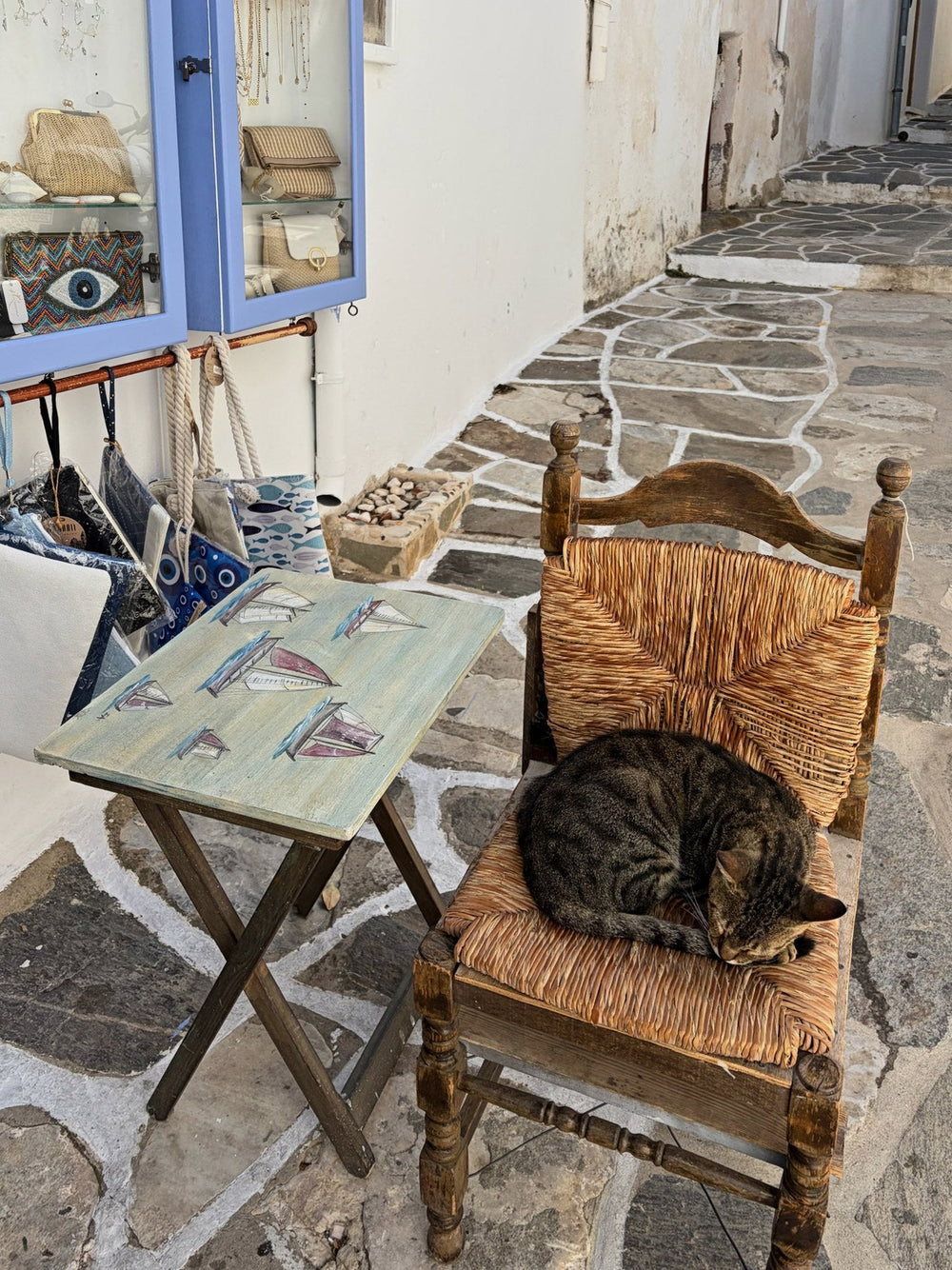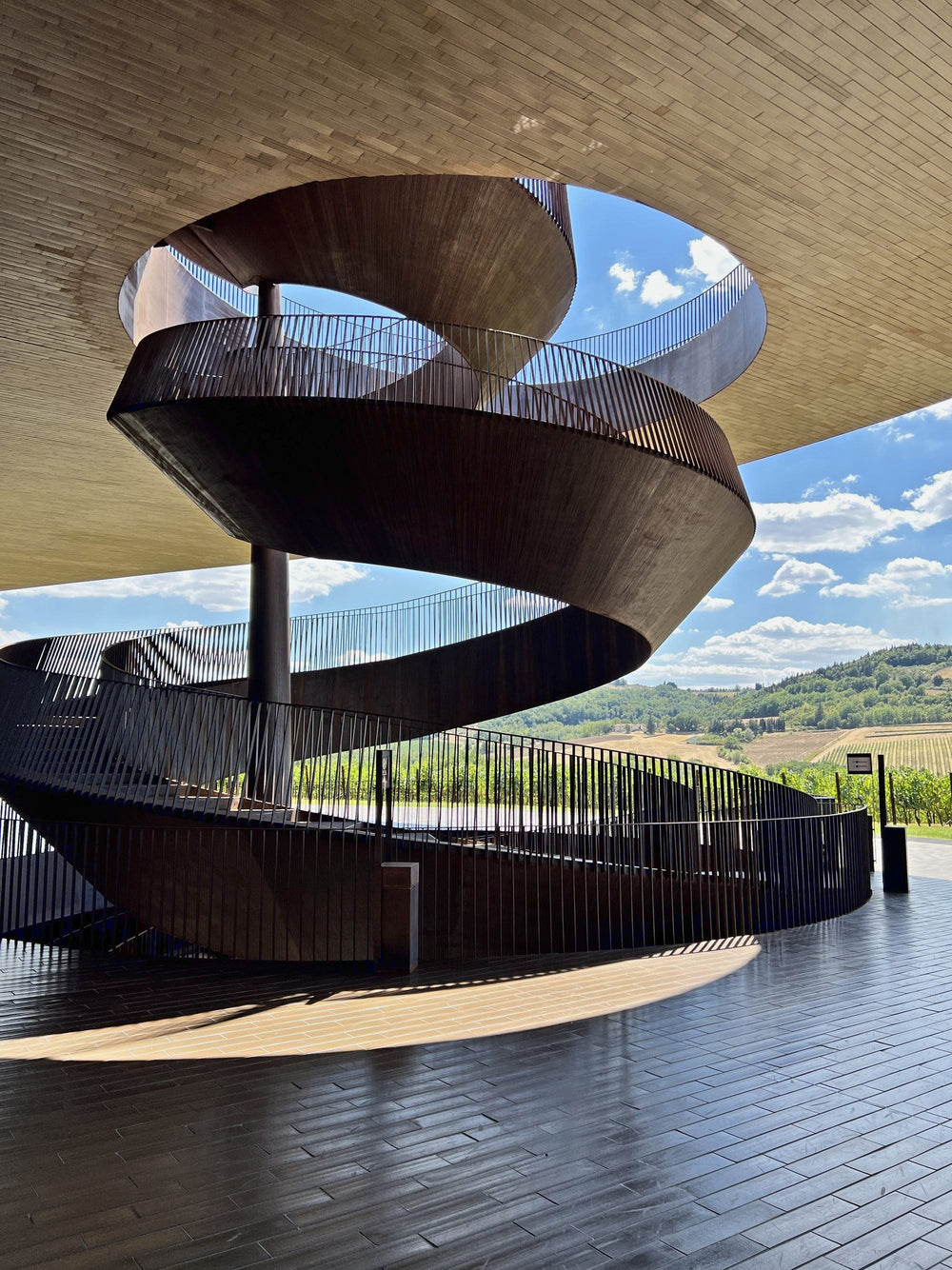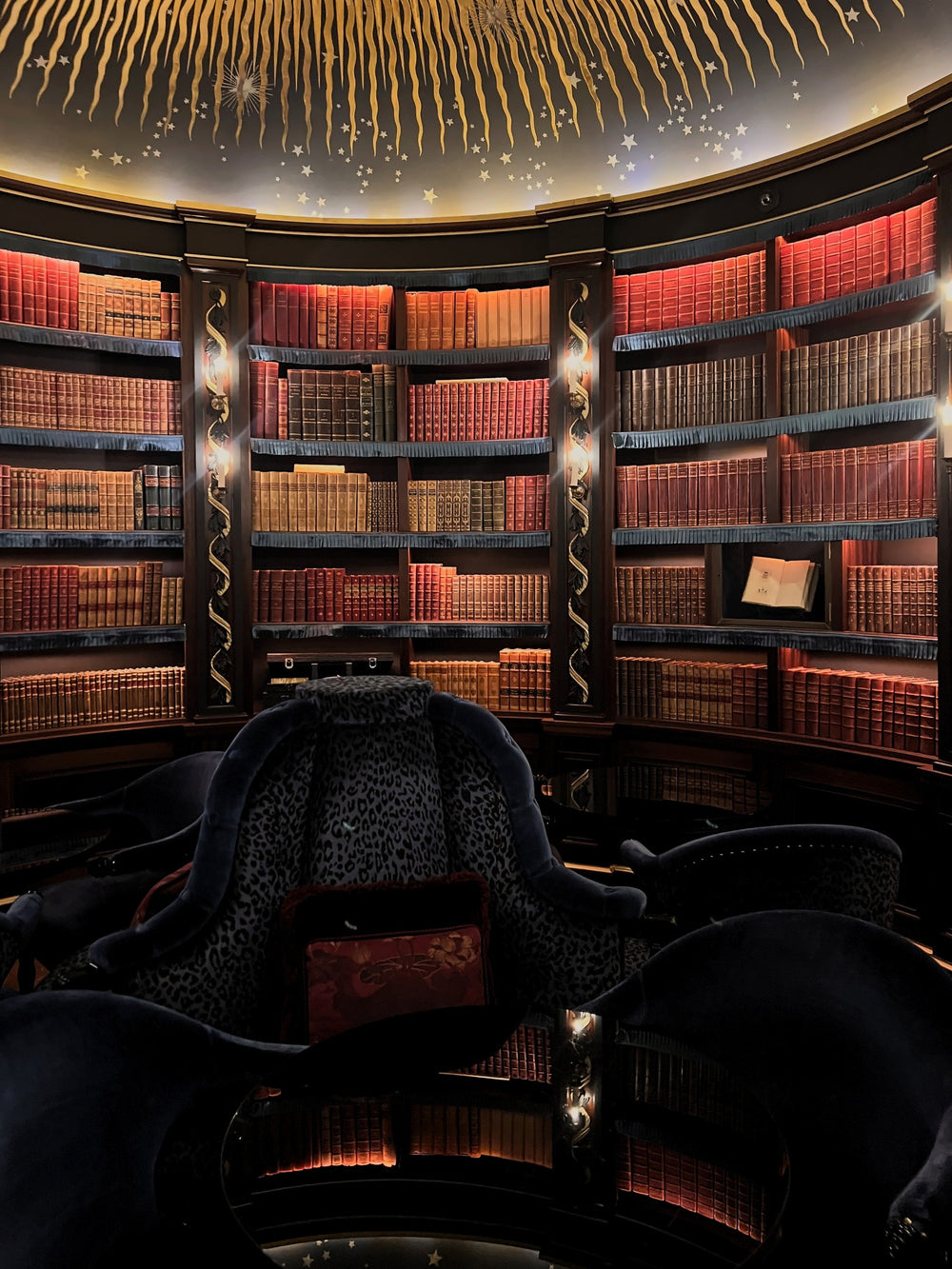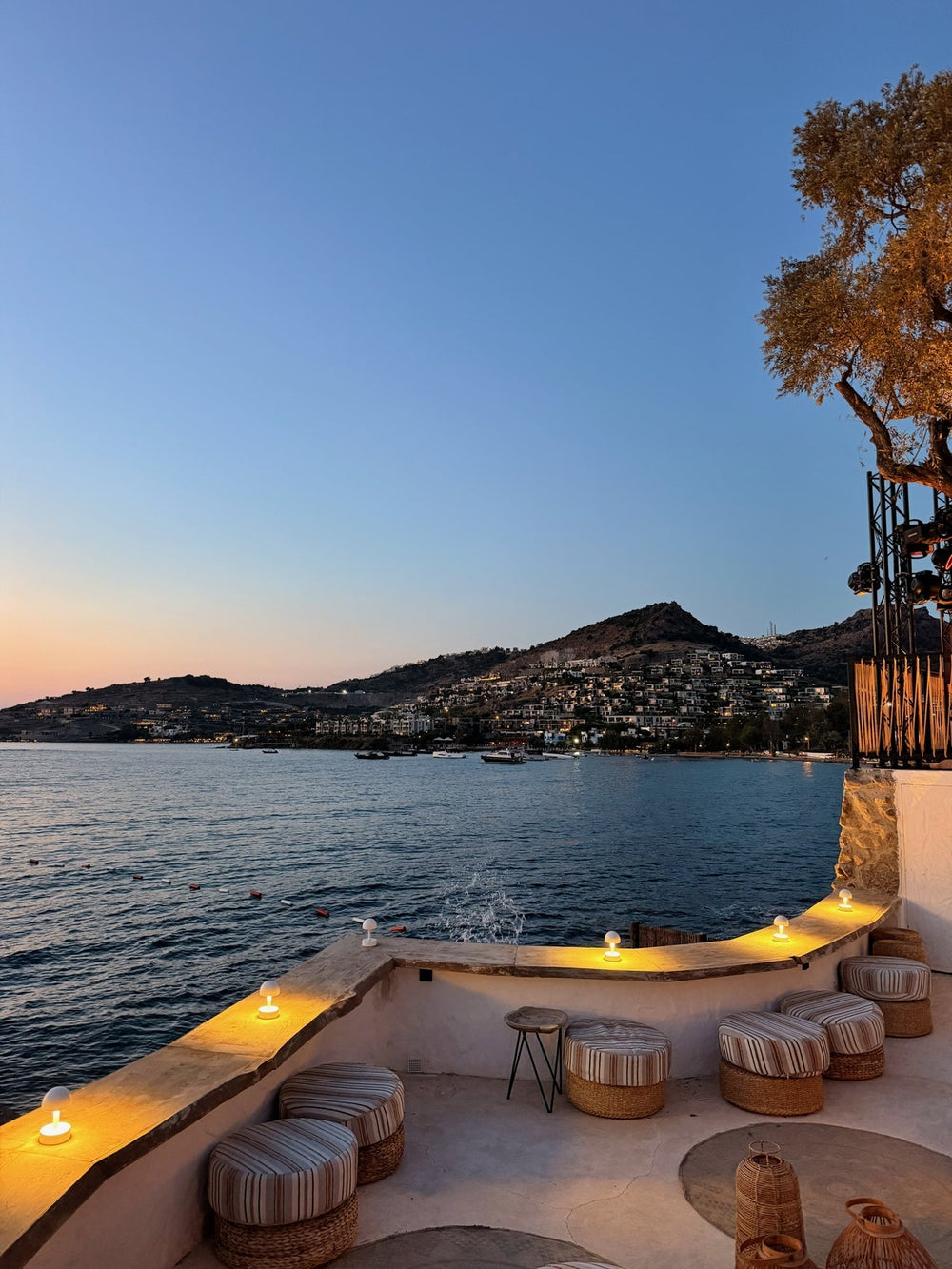


We spend a considerable amount of time looking at hotels. It is one of the more enjoyable parts of our work, but also one of the things we take most seriously. When planning a trip, there are many things to consider when choosing where someone will stay: architecture and design, location, comfort, service, and the standards of hospitality. All of these matter enormously. But beyond them, what we look for at Apolide is something less easily defined: a sense of personality and soul that brings a property to life. Something that makes the hotel not simply a place to return to at the end of the day, but an experience within the journey itself.
Over time, we’ve come to realize that the hotels we remember most aren’t necessarily the most luxurious, or even the most perfectly designed. They are the ones that seem to have a reason for existing beyond hospitality itself. Sometimes that reason is an owner’s extraordinary collection of art, a family’s attachment to a particular building, or an architect’s interpretation of the surrounding landscape. Other times, it is something much harder to identify: a particular atmosphere, the people who work there, or the feeling that the place could not exist in quite the same way anywhere else.
This first issue of the Apolide Journal is an exploration of that idea.
We begin with hotels that have become homes for remarkable art collections, where the experience of staying somewhere also means entering another person’s world of collecting and patronage. From there, we look at the relationship between fashion and hospitality, and what happens when a designer’s point of view extends beyond clothing into architecture, interiors, and the experience of a place. In Paris, we explore hotels whose interiors are interesting not simply because they are beautiful, but because they have something distinctive to say about history, taste, and the many different interpretations of Parisian life.
Our stories from Sicily and the Greek islands approach the subject from another direction. Here, the relationship between a hotel and its destination becomes particularly important. A restored Sicilian palazzo, a countryside estate, or a small property overlooking the Aegean can offer an understanding of a place that goes beyond what you might discover through sightseeing alone. The architecture, materials, traditions, and people behind these hotels are often as much a part of the destination as the landscape outside their doors.
What interests us about bringing these stories together is that they challenge the idea of a single definition of a great hotel. A property can be remarkable for its artistic ambition, its architectural significance, its sense of place, or simply the very personal vision of the people behind it. There is no one aesthetic, category, or formula that makes a hotel interesting to us.
And while we admire extraordinary design, we don’t believe that design alone makes for extraordinary hospitality. A hotel can photograph beautifully and still feel strangely anonymous. Equally, a property with modest rooms and imperfect details can leave a lasting impression because of the generosity of its hosts, the history it carries, or the way it makes you feel connected to your surroundings.
This is something we think about constantly when choosing hotels for our clients. The question isn’t only whether a property is exceptional, but whether it makes sense for the person staying there, the destination they’re visiting, and the kind of experience they’re hoping to have. Sometimes that means choosing the grand hotel with an extraordinary collection and a century of history. Other times, it means a family-run property where the owner is still there to welcome guests in the morning.
Ultimately, we think the most meaningful hotels offer something that cannot be replicated simply by following the same design trends or standards of luxury. They have a point of view, a relationship with their surroundings, and a character that belongs to them alone.
For our first issue, we wanted to celebrate those places, and the many different ways a hotel can become part of the reason we travel.
The Editors