

Between 6 and 9pm, most of Italy is at a bar with a drink, something small to eat, and no particular hurry before dinner. This is the aperitivo, a word that comes from the Latin aperire, to open, which refers to the bottle as much as the appetite. Antonio Benedetto Carpano, the Torinese distiller who invented vermouth, is usually credited with formalizing the tradition in the late 18th century. It has since spread throughout the country, though no city takes it as seriously as Milan.
Milan is the birthplace of Campari, one of the defining aperitivo spirits, first created here in 1860. As Italy’s business capital, it takes work seriously — and perhaps just as importantly, it takes the hours after work seriously too. More than a prelude to dinner, aperitivo is one of the city’s most important social rituals. It is the time of day when offices empty, reservations fill up, and entire neighborhoods seem to gather in the streets and piazzas. Calling Milan home ourselves, we have had plenty of time to find our favorites — from the institutions we think are still worth it to the neighborhood bars we return to again and again.

10_11
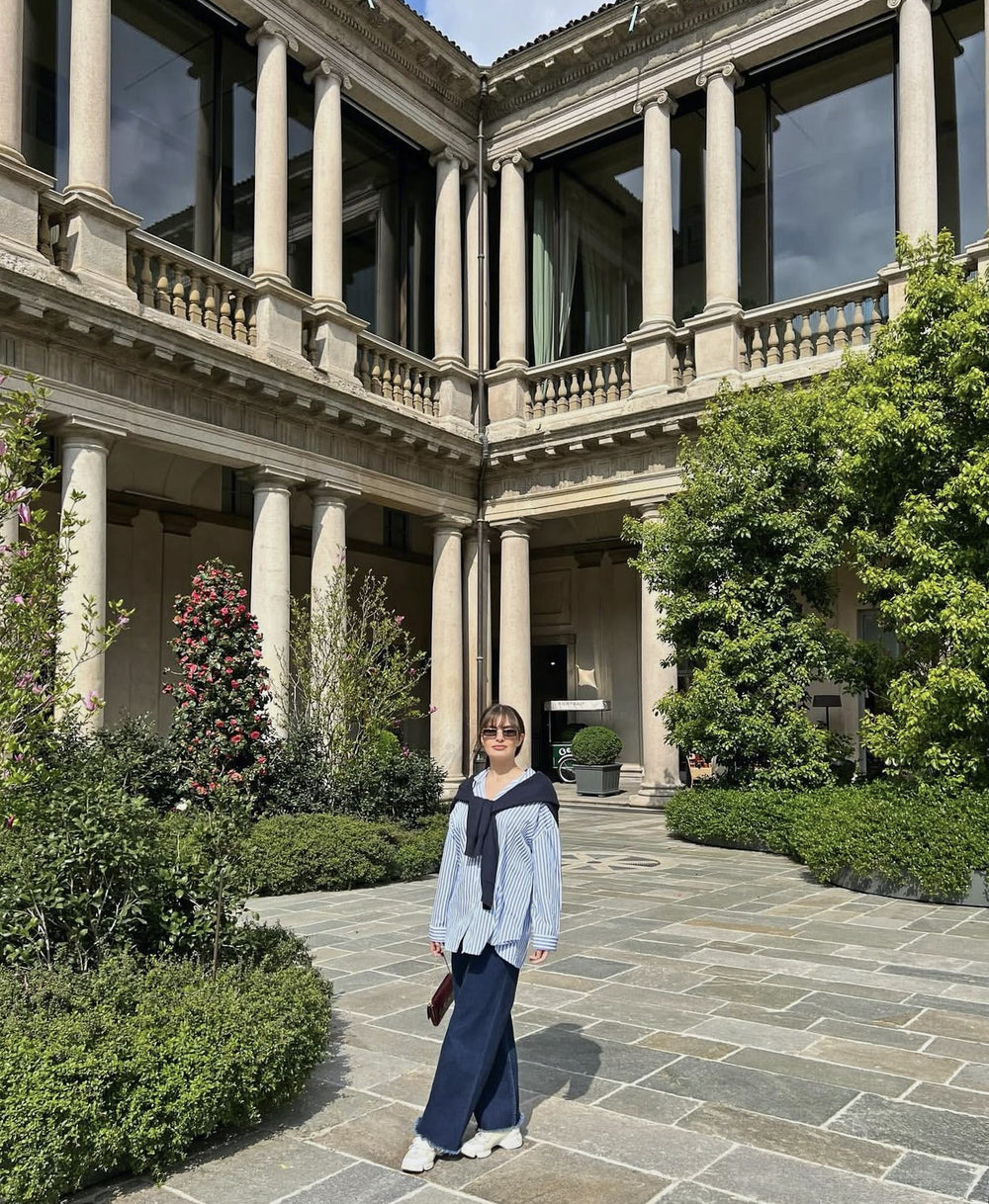
10_11 is the bar at Portrait Milano, the hotel housed in one of the oldest seminaries in Europe, in the heart of Milan’s Quadrilatero della Moda. Set inside the hotel’s private, internal piazza, the space feels like an intimate oasis, offering a sense of tranquility and understated elegance despite its central location. As the day gives way to evening, the piazza becomes one of the neighborhood’s most stylish and coveted gathering places, even among locals. The bar’s aperitivo program was intended to revive classic Milanese traditions, with signature cocktails that pay tribute to the city’s heritage. Highlights include the Magistris Negroni, a blend of gin, laurel-infused Campari, and ancestral wine, and the Ambrogino d’Oro, made with Campari, Amaro Rabarbaro Zucca Gran Riserva, vanilla bitters, and chinotto. The food offering follows Northern Milanese traditions as well, including mondeghili, the city’s traditional fried meat croquettes often served with saffron mayo. Those who linger into the evening are rewarded with one of 10_11’s most memorable traditions: complimentary rounds of spaghetti aglio, olio e peperoncino served at the bar before the final drinks of the night.
Tommasi
Tommasi Milano’s greatest asset may be its location. The restaurant’s outdoor seating spills into Piazza Giovine, placing guests in the heart of Milan and allowing them to soak up the city’s energy and convivial atmosphere. It is the kind of setting that naturally lends itself to long conversations, leisurely aperitivi, and the simple pleasure of watching Milan go by. The location also offers a unique blend of history and contemporary city life. Just steps away is Leonardo da Vinci’s The Last Supper, making it an appealing stop for those exploring one of Milan’s most important cultural landmarks. Tommasi understands that a great aperitivo is as much about what is in the glass as what is on the table. The drinks menu offers a wide selection of wines, cocktails, and classic aperitivi, while the food menu features Italian staples such as bruschetta, olives, charcuterie, and artisanal cheeses alongside seasonal small plates that highlight locally sourced ingredients.
Enoteca Cotti
Enoteca Cotti has been a fixture of Via Solferino since 1952, its Liberty interiors, towering shelves and extraordinary collection of bottles making it one of Milan’s great historic wine addresses. For decades it was primarily somewhere to come in search of a particular bottle; today, a new chapter has returned the enoteca to something it had once been: a place to stop, drink and stay awhile. Wine is once again poured by the glass, alongside bottles selected directly from the shelves, with cheeses, salumi and small plates turning the historic shop into a particularly Milanese place for aperitivo. The surroundings remain unmistakably Cotti — shelves lined with wine, original details and decades of history — but the experience feels newly social. Come for a glass before dinner, ask for a recommendation, and let one of the city’s oldest wine institutions do what it has always done best.

N’Ombra de Vin
N’Ombra de Vin, whose name translates to “a glass of wine,” occupies a historic cellar near the Basilica di San Marco that was restored from what was once a 16th-century Augustinian refectory. One of Milan’s most storied wine destinations, it was also the city’s first wine shop to import wines from France. As the family-owned business has evolved over the years, its dedication to wine has remained unchanged. Today, the gourmet bistro is home to more than 3,000 wine labels, including a remarkable selection of rare and hard-to-find bottles. The setting remains deeply rooted in its history, with vaulted stone ceilings, original columns, and walls lined floor-to-ceiling with wine bottles, creating an atmosphere that feels unmistakably Milanese. The depth of knowledge behind the wine program has made N’Ombra de Vin a longtime favorite for aperitivo, and tables often fill quickly as locals gather both inside the cellar and at the outdoor tables spilling into the surrounding streets. To accompany the extensive wine list, the kitchen offers simple but satisfying classics, including salumi boards and carefully selected cheese plates.
Ceresio 7
Ceresio 7 is a restaurant and bar known for its stylish take on aperitivo, offering creative Milanese interpretations of classic cocktails in one of the city’s most iconic settings. Located on the terrace of the historic Enel building, now home to the Dsquared2 headquarters, the rooftop combines two pools, a lively restaurant, and sweeping views across Milan’s skyline. The extensive collection of spirits, wines, and cocktails makes it a popular destination from aperitivo through after-dinner drinks. Behind the food offering is chef Elio Sironi, whose approach is guided by principles he has refined throughout his career: simplicity, authenticity, and respect for the guest. The menu centers on the rediscovery of Italian classics, with certain dishes thoughtfully reimagined to enhance their flavors and textures while remaining faithful to their origins. The result is a balance of tradition and modernity that mirrors the atmosphere of Ceresio 7 itself.

Giacomo Tabaccheria
Giacomo Tabaccheria retains the charm of a traditional Italian shop while reinterpreting it with quiet refinement. The space is intimate and richly detailed, with dark wood counters, glass cabinets filled with carefully selected delicacies, stone-topped tables, and checkerboard floors creating a setting that feels both nostalgic and thoughtfully curated. Green-toned walls, vintage lighting, and tightly arranged tables reinforce the intimate scale of the room, encouraging conversation and lingering over drinks. Despite its popularity, the bistro has deliberately maintained its small footprint and focused approach, choosing to perfect a concise selection of dishes and cocktails rather than constantly expand its offerings. That sense of restraint is part of its appeal. Giacomo Tabaccheria relies less on spectacle and more on consistency, atmosphere, and attention to detail. Guests are drawn in by the understated elegance of the space and return for the drinks and dishes that have quietly earned their reputation over time.
LùBarino
LùBarino brings the relaxed, Sicilian spirit of LùBar to a tiny kiosk in Piazza del Carmine, one of Brera’s prettiest squares. There is little more than a counter and a handful of tables spilling out in front of the church, but that simplicity is precisely the appeal: on warm evenings, the piazza itself becomes the setting, filling with people stopping for a drink on their way home or settling in as the neighborhood moves around them. Aperitivo here is casual and distinctly Mediterranean, with spritzes and classic cocktails alongside arancini, toast and other small bites. There are no reservations and very little ceremony — just a particularly beautiful corner of old Brera, a drink outside, and the kind of easy, sociable atmosphere that Milan does so well.

Lom Dopolavoro
Lom Dopolavoro is a cocktail bar and restaurant tucked away behind Milan’s Monumental Cemetery, offering an experience that feels remarkably removed from the city around it. Set within a leafy garden terrace illuminated by fairy lights and often accompanied by live jazz music, the atmosphere is more reminiscent of a countryside retreat than an urban aperitivo spot. What sets Lom Dopolavoro apart is its entirely vegetarian and vegan menu, which places seasonal produce at the center of the experience. The kitchen celebrates color, texture, and farm-to-table ingredients, proving that simplicity, when executed well, can be every bit as satisfying as more elaborate cuisine. The drinks menu follows the same philosophy, favoring clean, straightforward cocktails that complement rather than compete with the food. True to the spirit of aperitivo, the restaurant places particular emphasis on sharing, encouraging guests to gather around communal dishes and enjoy a slower, more convivial style of dining.
Takeaway Bistrot
Takeaway Bistrot, a beloved neighborhood institution since 1976, embodies the social spirit that lies at the heart of aperitivo. Over the decades, it has become a gathering place for friends, colleagues, couples, and longtime regulars, with an atmosphere that feels more like an extension of the neighborhood than a typical restaurant. The setting is full of rustic charm, with candlelit tables adorned with fresh flowers, vines climbing the exterior walls, and outdoor seating spilling onto the cobbled sidewalk. Inside, warm hospitality and a handwritten menu that changes daily reinforce the feeling of a place that remains deeply personal despite its long-standing popularity. The bistrot is particularly known for its Thursday evening aperitivo, when guests are treated to an abundant selection of antipasti that celebrate classic Italian flavors. Artisanal cured meats, rich cheeses, marinated olives, bruschetta, and crostini are served alongside drinks, creating the kind of relaxed and convivial experience that has kept locals returning for generations.
Citterio Garden
Citterio Garden sits within the private courtyard garden of Palazzo Citterio, an 18th-century palazzo in Brera that, until recently, was largely closed to the public. The 18th-century palazzo reopened in 2024 as part of the Grande Brera cultural complex, bringing its historic rooms, contemporary art collection, and secluded garden into the life of the neighborhood. In the early evening, the garden becomes an elegant setting for aperitivo, with tables tucked among the greenery and the historic palazzo rising behind them. Drinks are sophisticated and accompanied by small plates designed for sharing, making it the kind of place where a quick aperitivo can easily stretch into the evening. Despite its location in the heart of Brera, the enclosed courtyard feels pleasantly removed from the streets outside — part cultural institution, part secret garden, and one of the neighborhood’s most atmospheric places for a drink.

Princi
Princi, the beloved Milanese bakery founded in 1986, captures the spirit of the city through its all-day approach to dining. Built on a foundation of passion, respect for tradition, and an unwavering focus on the quality of its ingredients, it has become one of Milan’s most enduring culinary institutions. The experience is further shaped by the setting itself. The historic bakery was designed by Italian architect Claudio Silvestrin, who created a space rich in character where materials and symbolism take center stage. Throughout the day, guests move between coffee, pastries, lunch, and aperitivo, giving the space a constant sense of energy. By late afternoon, the long communal table transforms into one of the city’s most generous aperitivo spreads, laden with freshly baked pizza al taglio, focaccia, and savory bites prepared by bakers who have been at work since dawn. It is this combination of quality, atmosphere, and tradition that has made Princi a true institution within Milan’s aperitivo scene.
Aperitivo is one of Milan’s most enduring rituals, but part of what makes it so distinctly Milanese is how differently it can be done. A glass of wine standing outside a neighborhood bar, a Campari at an old institution, or a long evening that begins on a terrace and never quite makes it to dinner — everyone eventually finds their version of it. These are ours.
For more of the places we return to in the city, from restaurants and hotels to neighborhoods and local favorites, explore our newly updated Milan Guide.